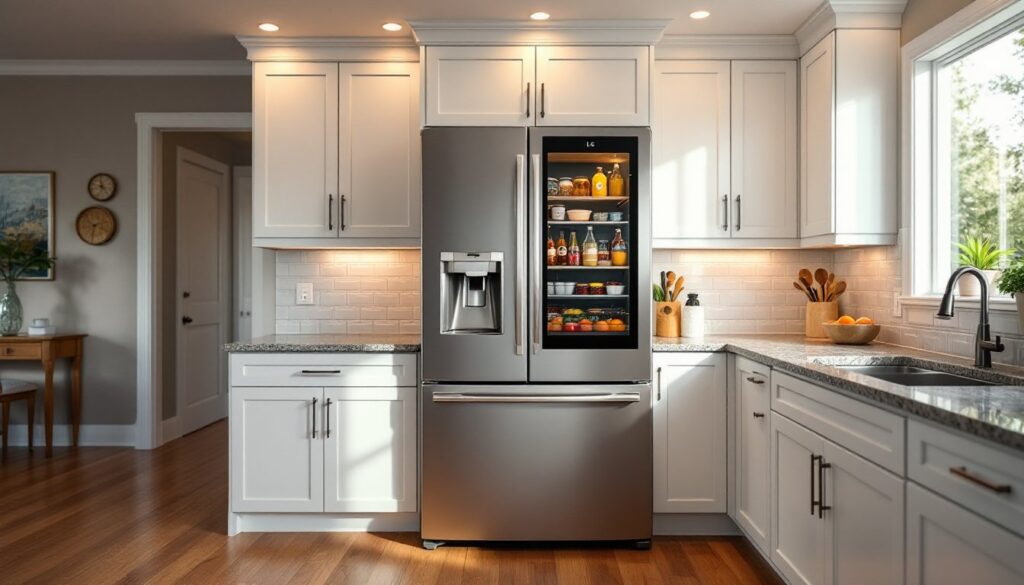

Counter depth French door refrigerators solve one of the most common kitchen layout complaints: that bulky fridge sticking out past the counters. LG’s counter depth models offer the streamlined look of built-in refrigeration at a fraction of the cost, without sacrificing meaningful storage space. Whether you’re renovating a kitchen or replacing an aging unit, understanding what sets LG’s lineup apart, from InstaView technology to flexible shelving systems, helps you pick the right model for your household. This guide breaks down the features, installation requirements, and maintenance needs that matter most when shopping for an LG counter depth French door refrigerator in 2026.
Table of Contents
ToggleKey Takeaways
- An LG counter depth French door refrigerator aligns flush with cabinetry while maintaining interior capacity, with models standing 69–70 inches tall and extending only 23–27 inches from the wall.
- LG’s InstaView Door-in-Door technology and LinearCooling system (maintaining ±0.5°F precision) reduce cold air loss and extend produce freshness better than standard refrigeration systems.
- The Full-Convert drawer offers five temperature settings from -6°F to 42°F, eliminating the need for separate beverage coolers or wine fridges and providing flexible food storage for various household needs.
- Entry-level models like the LRFCS25D3S start around $2,400–$2,700, while premium options with smart connectivity and advanced features range from $3,200–$4,500, all meeting Energy Star Most Efficient standards.
- Proper installation requires ½ inch side clearance and 1 inch top clearance, a dedicated 115V circuit, ¼-inch water line connections, and at least 42 inches of clearance behind open doors for comfortable kitchen workflow.
- Regular maintenance including water filter replacement every six months, annual condenser coil cleaning, and monthly gasket inspection keeps your LG counter depth refrigerator running efficiently and extends component lifespan.
What Makes LG Counter Depth French Door Refrigerators Stand Out?
Counter depth refrigerators typically extend 23–27 inches from the wall (excluding door handles), aligning with standard 24-inch-deep base cabinets and countertops. LG’s French door models sit flush with cabinetry while maintaining interior capacity through taller cabinet heights, most units stand 69–70 inches tall compared to standard-depth models at 67–68 inches.
LG differentiates itself with InstaView Door-in-Door technology, which illuminates the interior with two knocks on the tinted glass panel. This feature reduces cold air loss by letting users see contents without opening the main compartment. The Door-in-Door section provides quick access to frequently used items like condiments and beverages, housed in a separate compartment that opens independently.
The LinearCooling system maintains temperatures within ±0.5°F of the set point, compared to ±2–3°F swings in conventional compressors. This precision reduces freezer burn and extends produce freshness. LG pairs this with DoorCooling+ vents that blow cold air directly from the door, cooling items up to 35% faster than rear-vent systems.
Most LG counter depth French door units include a dual ice maker configuration: one in the door dispenser and a second Craft Ice maker in the freezer that produces 2-inch slow-melting spheres. This setup yields up to 5.5 pounds of ice daily without sacrificing freezer shelf space. Many competing brands still rely on single ice makers that occupy valuable door real estate.
Key Features to Look for in Your LG Counter Depth Model
Smart Technology and Connectivity
LG’s ThinQ app enables remote temperature adjustments, diagnostic alerts, and energy monitoring from a smartphone. The system sends push notifications when the door remains open longer than 60 seconds or if the water filter needs replacement. Voice control works with Amazon Alexa and Google Assistant for hands-free temperature changes.
The SmartDiagnosis feature uses audible tones to communicate error codes to LG’s service team over the phone, reducing service call time by identifying issues before a technician arrives. This system detects problems like compressor failures, defrost sensor malfunctions, and fan motor issues.
Select 2026 models include UVnano technology in the water dispenser, using ultraviolet light to reduce bacteria on the dispenser nozzle by up to 99.99% every hour. According to tests from Good Housekeeping, this addresses a common hygiene concern with refrigerator water dispensers that often harbor mold and bacteria in hard-to-clean crevices.
Storage Flexibility and Organization
Look for adjustable shelving with sliding or folding sections that accommodate tall pitchers and party platters. LG’s tempered glass shelves support up to 150 pounds when weight is evenly distributed. Half-width shelves slide left or right to create custom configurations.
The Full-Convert drawer switches between five temperature settings: -6°F for frozen goods, 23°F for soft frozen items, 33°F for fresh meat, 37°F for deli items, and 42°F for wine storage. This flexibility eliminates the need for a separate beverage cooler or wine fridge for many households.
Humidity-controlled crisper drawers feature adjustable vents that maintain optimal conditions for produce. Keep vents closed for leafy greens (high humidity) and open for fruits that release ethylene gas (low humidity). LG’s crispers hold up to 8 pounds of produce each. For insights on maximizing refrigerator organization, kitchen storage solutions offer practical drawer layout strategies.
Door bins should hold gallon-sized containers without blocking shelf space. LG’s adjustable door bins move vertically to accommodate everything from milk jugs to tall wine bottles. Bins with clear dividers prevent smaller items like yogurt cups from tipping over.
Top LG Counter Depth French Door Models in 2026
The LRFCS25D3S (24.5 cu. ft.) serves as LG’s entry-level counter depth French door model at approximately $2,400–$2,700 (pricing varies by region and retailer promotions). It includes PrintProof stainless steel that resists fingerprints, dual ice makers, and InstaView technology. This model lacks smart connectivity but offers solid core features for households prioritizing reliability over app control.
Mid-tier buyers should consider the LRMDS3006S (29.7 cu. ft.), priced around $3,200–$3,600. It adds ThinQ connectivity, Craft Ice, and a Full-Convert drawer. The increased capacity comes from a 36-inch width compared to the standard 33-inch opening, requiring a cabinet modification for kitchens with narrower spaces.
The LRMVS3006S (29.5 cu. ft.) represents LG’s premium counter depth offering at $4,000–$4,500, featuring UVnano water dispenser technology, matte black stainless finish options, and enhanced LED lighting with 24 interior lights compared to 12–14 in budget models. The matte finish hides smudges better than brushed stainless but requires specific cleaners, avoid abrasive pads that damage the coating.
All three models meet Energy Star Most Efficient standards, using approximately 600–650 kWh annually (roughly $75–$85 per year in electricity at national average rates). Actual costs depend on local utility rates and usage patterns.
Capacity differences matter less than you’d expect. A 24.5 cu. ft. counter depth unit often provides similar usable storage to a 28 cu. ft. standard-depth model because depth reduction is partially offset by increased height and width. Measure your actual storage needs by assessing weekly grocery volume rather than relying solely on cubic footage.
Installation Considerations and Space Requirements
Measure the refrigerator cutout in three places: width at the top, middle, and bottom. Older homes may have out-of-square openings with ¼-inch variations. LG requires ½ inch clearance on each side and 1 inch at the top for proper ventilation and door swing clearance.
Counter depth models need 36–38 inches of clearance in front of the unit when both doors are fully open (typically 90 degrees). French doors require less clearance than side-by-side models but more than single-door refrigerators. Test door swing against adjacent walls, islands, and cabinet faces before purchase.
Check the delivery path from your entry door to the kitchen. Standard doorways measure 32–36 inches wide, but door trim reduces usable width to 30–34 inches. Most LG counter depth units measure 35.75 inches wide boxed, requiring removal of the refrigerator doors for tight hallways. Professional delivery teams handle this routinely, but confirm the service is included.
Electrical requirements call for a dedicated 115V, 15-amp circuit within 6 feet of the installation location. The power cord exits from the lower rear of the unit, positioned 4–6 inches above floor level. Avoid using extension cords, which violate most manufacturers’ warranties and National Electrical Code (NEC) Article 422.16 for appliances.
Water line connections require ¼-inch copper or braided stainless supply line for ice makers and water dispensers. The connection point sits 8–10 inches above the floor, centered behind the unit. Braided stainless lines offer easier installation than rigid copper, which requires precise bending and may kink during positioning. Many municipalities require a water hammer arrestor on appliance supply lines per International Residential Code (IRC) P2903.5 to prevent pressure surges.
If replacing an existing refrigerator, verify the new model’s depth with doors open. Some counter depth units extend 48–50 inches from the wall with doors fully open, potentially blocking walkways in galley kitchens narrower than 8 feet. Designers from Houzz recommend maintaining at least 42 inches of clearance behind open doors for comfortable kitchen workflow.
Maintenance Tips to Keep Your LG Refrigerator Running Smoothly
Replace the water filter every six months or after filtering 200 gallons, whichever comes first. LG uses LT1000P or LT120F filters depending on model year. Aftermarket filters cost $30–$40 compared to $50–$60 for OEM filters, but verify NSF/ANSI Standard 42 and 53 certifications for lead and contaminant reduction. A clogged filter reduces water pressure to the ice maker and dispenser, often mistaken for mechanical failure.
Clean condenser coils annually by unplugging the unit and vacuuming the coils located behind the lower front grille or on the rear panel. Use a coil brush (available at hardware stores for $8–$12) to dislodge dust that vacuum attachments can’t reach. Dirty coils force the compressor to run 15–20% longer, increasing energy consumption and shortening component life.
Wipe door gaskets monthly with warm water and mild dish soap. Cracked or loose gaskets allow cold air to escape, causing frost buildup and temperature fluctuations. Test gasket seal by closing the door on a dollar bill, if it pulls out easily, the gasket needs replacement. LG gaskets cost $60–$120 and install with Phillips screwdriver and hex nut driver, taking about 30 minutes for DIYers comfortable with basic repairs.
Defrost the freezer manually if ice buildup exceeds ¼ inch on walls or shelves. While LG uses automatic defrost cycles, blocked drain tubes (located at the rear floor of the freezer compartment) can cause water accumulation. Flush the drain tube with a turkey baster filled with hot water and a few drops of dish soap to clear food particles and ice.
Level the refrigerator using the adjustable front legs accessed by removing the grille. Use a bubble level placed on the top front edge, the unit should tilt ¼ to ½ inch backward to ensure doors close automatically under their own weight. Unleveled refrigerators develop door alignment issues and water pooling in crisper drawers.
Safety note: Always unplug the refrigerator before accessing mechanical components. Wear work gloves when handling coils and safety glasses when using compressed air to blow out dust, which can contain metal shavings and debris.