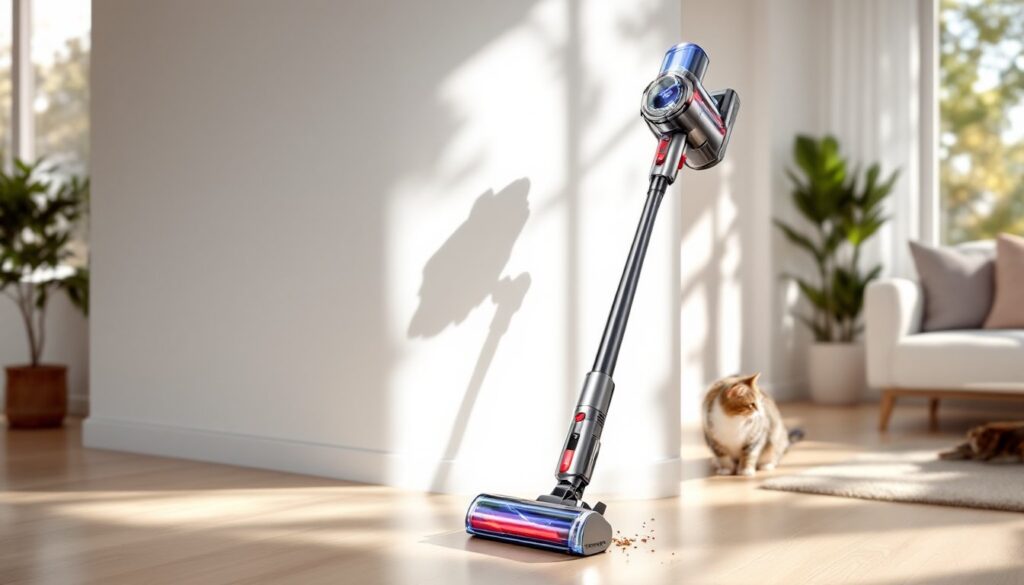

If you’re upgrading from a clunky corded upright or shopping for a budget-friendly cordless option that won’t embarrass you in front of house guests, the Orfeld cordless vacuum deserves a hard look. It’s not the flashiest brand on the shelf, you won’t find celebrity endorsements or Super Bowl ads, but for homeowners juggling quick cleanups, pet hair, and tight budgets, Orfeld delivers solid performance without the premium price tag. This guide breaks down what makes these vacuums tick, how they perform across different surfaces, and whether one belongs in your cleaning arsenal.
Table of Contents
ToggleKey Takeaways
- The Orfeld cordless vacuum delivers solid suction power (20,000–23,000 Pa) and practical features like detachable batteries and HEPA filtration at $120–$180, roughly half the cost of premium competitors.
- Battery runtime ranges from 35–40 minutes in eco mode to just 10–12 minutes on max mode, making the Orfeld ideal for quick cleanups on hard floors and low-pile carpet rather than deep weekly sessions.
- Orfeld vacuums excel on hardwood and tile but struggle with high-pile carpet and fine dust on textured surfaces, so they work best as maintenance tools between heavy cleaning sessions.
- Regular maintenance—emptying the bin after each use, cleaning the HEPA filter every 3–4 uses, and removing hair from the brush roll every 2–3 weeks—is essential to maintaining suction and preventing mold or motor damage.
- The Orfeld cordless vacuum is best suited for small-to-medium homes under 2,000 square feet with mostly hard floors or low-pile carpet, and owners should avoid storing it on the charger 24/7 to extend battery lifespan.
What Makes Orfeld Cordless Vacuums Stand Out?
Orfeld carved out a niche by offering features typically reserved for higher-end cordless vacuums, multi-cyclone filtration, detachable handheld modes, and LED headlights, at price points that won’t require a second mortgage. Most models land between $120 and $180, roughly half the cost of comparable Dyson or Shark units.
The build quality sits squarely in the “good enough” category. You’re getting plastic construction that feels sturdy during use but won’t survive being run over by a car. The motor housing and dust bin use ABS plastic, common in mid-tier appliances. Seals and gaskets hold up well for the first 12–18 months, though some users report minor air leaks after heavy use.
What separates Orfeld from other budget brands is thoughtful design. The detachable battery swaps out in seconds, critical if you’re cleaning a multi-story home or want a backup charged and ready. The wall-mount docking station doesn’t require drilling into studs: mounting screws and anchors work fine in drywall as long as you’re not hanging a family of four from it. And the washable HEPA filter saves money over replaceable cartridges, though you’ll need to clean it every 3–4 uses to maintain suction.
Key Features and Specifications
Suction Power and Battery Performance
Orfeld vacuums typically deliver 20,000–23,000 Pa of suction on max mode, plenty for hardwood, tile, and low-pile carpet. That’s comparable to entry-level Dyson V-series models and beats most stick vacs under $150. The motor spins at around 120,000 RPM, generating enough airflow to lift cereal crumbs, coffee grounds, and the inevitable Lego pieces your kids swear they picked up.
Battery life varies by mode. In eco mode (roughly 8,000 Pa), you’ll get 35–40 minutes of runtime, enough to cover 1,200–1,500 square feet of open floor plan. Bump it to standard mode (15,000 Pa) and you’re down to 20–25 minutes. Max mode drains the battery in 10–12 minutes, so save it for stubborn debris or high-pile rugs. Charging takes about 3.5–4 hours with the included wall adapter. No fast-charge wizardry here, plan to plug it in overnight.
The detachable 2,200 mAh lithium-ion battery uses standard safety protections (overcharge, over-discharge, short-circuit). It’s not user-serviceable in the “pop it open and replace cells” sense, but replacement batteries run $30–$40 online, far cheaper than proprietary packs from bigger brands.
Attachments and Versatility
Most Orfeld kits include five to seven attachments, though not all are equally useful:
- Motorized floor brush: The workhorse. Rotating bristles handle both hard floors and carpet. Brush roll removes with a coin-turn lock, no tools required, for hair removal.
- Crevice tool: Standard 10-inch rigid plastic nozzle for baseboards, window tracks, and car seats.
- Dusting brush: Soft bristles for blinds, lampshades, and keyboards. Don’t skip this for vents: it prevents scratching.
- Upholstery tool: Wide fabric nozzle with a lint strip. Works well on couches and curtains, less so on mattresses (suction disperses over the wide opening).
- Extension wand: Aluminum tube adds about 18 inches of reach. Locks into place with a friction collar, wiggle it slightly if it feels loose.
- Flexible hose (select models): 3-foot ribbed hose for ceiling fans and behind appliances. Check your model: not all include this.
The attachments snap on with a friction fit. They stay put during use but occasionally pop off if you’re aggressive. No deal-breaker, just don’t yank them sideways.
In handheld mode, achieved by removing the extension wand, the Orfeld weighs 2.8–3.2 pounds, comfortable for stairs and overhead work. It won’t replace a dedicated shop vac for garage cleanups, but it handles sawdust, drywall dust, and metal shavings from light DIY projects. Safety note: Always wear a dust mask (N95 or better) when vacuuming fine particulates like drywall or silica-based materials. HEPA filters trap particles, but disturbing settled dust can spike airborne concentrations.
Performance Across Different Surfaces
On hardwood and laminate, the Orfeld excels. The motorized brush roll has an on/off switch, critical for preventing scatter on hard surfaces. With the brush off, suction alone pulls dirt into the bin without flinging rice or kibble into the next room. The soft front bumper guards against scuffing baseboards, though it’s rubber, not felt, so don’t ram it into furniture.
Tile and grout performance depends on grout depth. Flush or slightly recessed grout cleans well: deep grout lines (common in rustic or tumbled tile) require a second pass or the crevice tool. The LED headlight, positioned just ahead of the brush roll, helps spot dirt in corners, though it’s more gimmick than game-changer in well-lit rooms.
For low-pile carpet (Berber, commercial-grade, or thin residential), the Orfeld handles daily maintenance without issue. Cat litter, cracker crumbs, and dirt track from entryways lift cleanly on standard mode. You’ll see the brush roll slow slightly on max mode over dense carpet, a sign the motor’s working hard but not struggling.
Medium- to high-pile carpet exposes the vacuum’s limits. Suction stays strong, but the brush roll doesn’t penetrate deeply embedded debris. If you’ve got plush carpet in bedrooms or playrooms, plan on two passes or consider keeping a traditional upright for weekly deep cleans. The Orfeld works as a maintenance tool between heavy sessions, similar to how experienced cleaners recommend cordless vacuums for quick touch-ups rather than sole reliance.
Pet hair pickup is solid, especially on hard floors and low-pile carpet. The brush roll uses a spiral pattern that funnels hair toward the intake rather than wrapping it around the barrel. You’ll still need to trim tangled hair every few weeks, no cordless vacuum escapes this, but it’s a 30-second job with scissors, not a 10-minute ordeal.
One quirk: the Orfeld struggles with fine dust on textured surfaces like rough concrete or unsealed wood. The front seal doesn’t create perfect contact, so some dust escapes around the edges. If you’re cleaning a workshop floor or unfinished basement, sweep first or use a shop vac.
Maintenance and Care Tips for Your Orfeld Vacuum
Empty the dust bin after every use. Capacity ranges from 0.6 to 1.0 liters depending on the model, roughly equivalent to a large coffee mug. Letting it fill past the max line chokes airflow and kills suction. The bin releases with a thumb latch and bottom trap door. Hold it over a trash can and press: most debris falls cleanly, though fine dust clings to the cyclone walls. Tap it a few times or rinse with water if needed. Dry completely before reinstalling, wet dust turns to cement.
Clean the HEPA filter every 3–4 uses, more often if you’re vacuuming drywall dust or pet dander. Pop the filter out (usually a quarter-turn lock behind the dust bin), tap it over a trash can to dislodge loose debris, then rinse under lukewarm water. Don’t use soap or compressed air: both damage the filter media. Let it air-dry for 24 hours minimum. Running the vacuum with a damp filter risks mold growth and motor damage. Keep a spare filter on hand ($12–$15) so you’re never waiting on dry time.
The motorized brush roll needs attention every 2–3 weeks. Hair, string, and fabric threads wind around the roller and bearings. Remove the floor head (coin-turn lock or small screws depending on model), lift out the brush roll, and cut away tangled debris with scissors or a seam ripper. Wipe the roller and housing with a damp cloth to remove sticky residue. Check the belt while you’re in there, it should feel taut and show no cracks. Replacement belts cost $5–$8 and swap in seconds.
Battery care extends lifespan. Don’t store the vacuum on the charger 24/7: lithium-ion batteries degrade faster at full charge in warm environments. Charge after use, then unplug once the indicator turns green. If you’re storing the vacuum for more than a month, charge the battery to about 50% and keep it in a cool, dry space. Extreme cold (below 32°F) and heat (above 95°F) accelerate capacity loss.
Inspect the seals and gaskets around the dust bin and filter housing every few months. Cracks or gaps let dust bypass the filter, reducing suction and coating internal components. Replacement seals are hard to source for Orfeld models: if they fail, contact customer support or use food-safe silicone sealant as a temporary fix. Not ideal, but it works in a pinch.
Is the Orfeld Cordless Vacuum Right for Your Home?
The Orfeld cordless vacuum hits a sweet spot for homeowners who need reliable performance without the premium price. It’s best suited for:
- Small to medium homes (under 2,000 sq ft) with mostly hard floors or low-pile carpet
- Quick daily cleanups rather than deep weekly sessions
- Budget-conscious buyers who’d rather spend the Dyson savings on other tools or projects
- Multi-floor homes where lugging a corded upright is a hassle
It’s not the right fit if you have:
- Extensive high-pile carpet, the brush roll lacks the depth and power for thick shag or plush styles
- Large spaces requiring 40+ minutes of continuous runtime, battery life tops out around 35 minutes in eco mode
- Heavy-duty shop cleanup needs, fine dust and large debris volumes overwhelm the bin and filter
For homes needing flexible cleaning solutions and practical maintenance routines, resources like Real Simple and The Spruce offer additional strategies for managing household tasks efficiently. If you’re already running a tight ship with a practical cleaning routine, the Orfeld slots in as a solid workhorse that won’t eat your budget or demand constant babysitting. Just keep realistic expectations, maintain it properly, and it’ll handle the daily grind without complaint.