
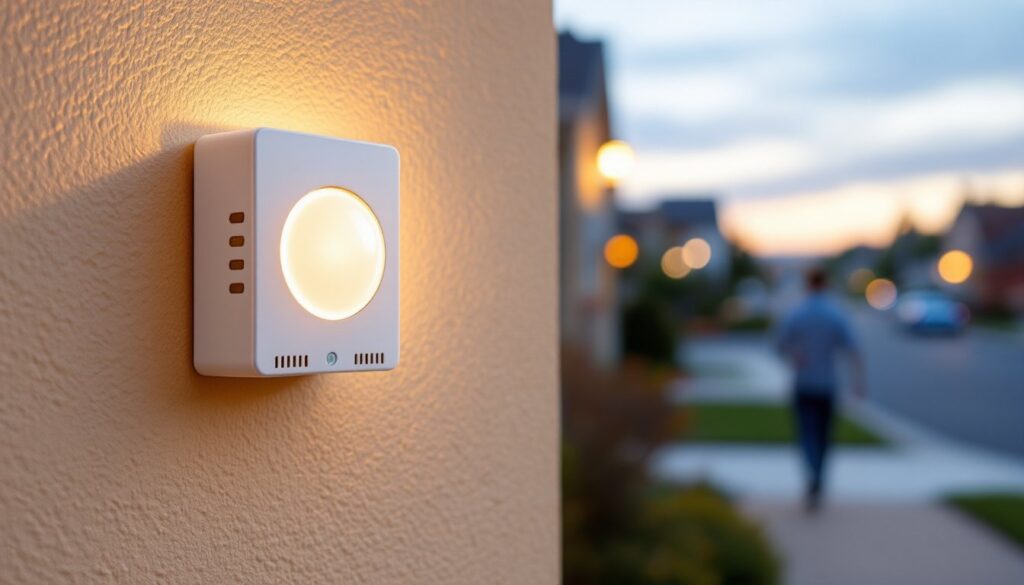

Motion sensor lights aren’t just about convenience anymore, they’re a practical layer of home security, energy efficiency, and accessibility rolled into one upgrade. Whether you’re tired of fumbling for light switches with arms full of groceries or want to deter prowlers without leaving the porch light burning all night, motion sensors deliver. They’ve evolved far beyond the floodlights that click on every time a raccoon wanders past. Today’s options range from discreet indoor fixtures to sophisticated outdoor systems with adjustable sensitivity and smart home integration. This guide breaks down how they work, where to use them, and how to pick the right type for your project.
Table of Contents
ToggleKey Takeaways
- Light motion sensor technology uses passive infrared (PIR) detection to sense heat signatures and automatically activate lights, with adjustment timers typically ranging from 30 seconds to 10 minutes.
- Motion sensor lights enhance home security by deterring intruders, reduce energy consumption by up to 95% compared to always-on fixtures, and improve accessibility for hands-free lighting in entryways, hallways, and storage areas.
- PIR sensors are the most cost-effective residential option ($15–$60) with reliable performance, while microwave and ultrasonic sensors ($40–$150+) work through obstacles but have higher false-trigger rates and are better suited for commercial applications.
- Optimal placement for motion sensor lights includes outdoor entry points mounted 6–10 feet high, driveways, interior hallways and staircases, and hands-full areas like mudrooms and laundry rooms, while avoiding locations with routine animal traffic or HVAC interference.
- When selecting a motion sensor light, choose between hardwired (brightest, unlimited runtime), battery-powered (quick install, convenient for rentals), or solar options based on your needs, and prioritize adjustable sensitivity, detection range of 30–70 feet for outdoor units, and IP65+ weather ratings.
- Proper installation requires testing the detection pattern before final mounting, compliance with local electrical codes and wet-location ratings, and professional electrician consultation for complex wiring or permit requirements to ensure safety and reliability.
What Is a Light Motion Sensor and How Does It Work?
A light motion sensor is an electronic device that detects movement within its detection zone and triggers a light fixture to turn on automatically. Most residential models use passive infrared (PIR) technology, which senses changes in infrared radiation, basically, heat signatures from people, animals, or vehicles moving through the field of view.
When a warm body enters the sensor’s range, the infrared detector registers the temperature difference against the background and completes an electrical circuit that powers the light. Once movement stops, an adjustable timer (typically 30 seconds to 10 minutes) counts down before switching the light off again.
Some sensors combine PIR with photocells (also called daylight sensors) so the motion trigger only works in low-light conditions. This prevents the light from activating in broad daylight and wasting electricity. Higher-end units may use microwave or ultrasonic detection instead, which we’ll cover below, those types can sense motion through walls or around corners, though they’re less common in basic residential installs.
Most sensors mount in standard electrical boxes and connect via line-voltage wiring (120V AC), though battery-powered and plug-in models are available for renters or quick retrofits. The detection range varies from about 15 feet for compact indoor sensors up to 70 feet or more for commercial-grade outdoor units.
Key Benefits of Installing Motion Sensor Lights in Your Home
Enhanced security is the most cited reason homeowners add motion lights. A sudden flood of light startles intruders and draws attention, making dark corners around entry doors, side gates, and detached garages far less appealing to prowlers. Paired with visible cameras, motion lights create a layered deterrent that’s cheap insurance compared to alarm monitoring fees.
Energy savings add up faster than most people expect. A traditional porch light left on dusk-to-dawn burns roughly 12 hours per night: at 15 watts (typical LED), that’s 180 watt-hours daily, or about 5.4 kWh per month. A motion sensor cuts that to a fraction, maybe 30 minutes of actual on-time per night in low-traffic areas. Multiply across multiple fixtures and the annual kWh reduction becomes measurable on your utility bill.
Convenience and accessibility matter, especially for anyone carrying loads, using mobility aids, or dealing with arthritis that makes switch-flipping painful. Motion sensors in mudrooms, basements, laundry rooms, and closets mean hands-free lighting exactly when needed. For aging-in-place remodels, they’re a simple upgrade that reduces fall risk in hallways and staircases.
Longevity of bulbs improves when lights aren’t left burning unnecessarily. LED bulbs rated for 25,000 hours will last years longer under motion-triggered intermittent use than constant operation. Even accounting for the mild inrush current at each activation, you’ll replace bulbs and fixtures less often.
Types of Light Motion Sensors: Which One Is Right for You?
Passive Infrared (PIR) Sensors
PIR sensors are the workhorse of residential motion lighting. They detect infrared radiation (heat) emitted by people and animals, comparing it against the ambient background temperature. When the differential exceeds a threshold, the sensor trips.
Pros: Low cost, minimal false triggers from wind-blown branches or rain, long lifespan, and low power draw. Most units cost $15–$60 depending on range and weatherproofing. They work reliably in typical indoor and sheltered outdoor applications.
Cons: PIR sensors struggle in extreme heat when ambient temperature approaches body temperature, think desert climates in summer, because the heat differential shrinks. They also require direct line-of-sight: walls, glass, and dense foliage block infrared, so placement matters. Movement directly toward or away from the sensor may not register as reliably as cross-traffic.
Best for: Entryways, garages, patios, hallways, and any space where you can mount the sensor with a clear view of expected foot traffic.
Microwave and Ultrasonic Sensors
Microwave sensors emit continuous microwave pulses and measure the reflection pattern. Moving objects cause a Doppler shift in the returned signal, which the sensor interprets as motion. Ultrasonic sensors work similarly but use high-frequency sound waves instead of radio waves.
Pros: These sensors detect motion through walls, doors, and light partitions, making them useful in spaces where line-of-sight is obstructed. They’re more sensitive to small movements, even a hand gesture can trigger them, and they handle temperature extremes better than PIR.
Cons: Higher price (typically $40–$150+), greater susceptibility to false triggers (ceiling fans, HVAC airflow, or even insects can set them off), and slightly higher power consumption. Some models reviewed by Digital Trends note interference issues in homes with dense Wi-Fi networks or other RF devices.
Best for: Commercial spaces, large rooms with multiple entry points, or specialty applications like automatic door openers. For most DIY home projects, PIR is simpler and more cost-effective.
Best Locations to Install Motion Sensor Lights
Outdoor entry points top the list: front porch, back door, side gates, and garage door approaches. Mount sensors 6–10 feet high to maximize coverage and reduce the chance someone can disable them easily. Aim the detection zone across the approach path rather than straight out, cross-traffic movement triggers PIR sensors more reliably.
Driveways and walkways benefit from motion lights that illuminate safely underfoot. If you’re installing along a long driveway, consider multiple lower-wattage fixtures spaced 20–30 feet apart rather than one blinding floodlight. This creates even coverage and avoids harsh shadows.
Interior hallways and stairways are prime candidates, especially in homes with kids, elderly residents, or anyone navigating in the dark. Wall-mounted sensors integrated into light switches (sometimes called vacancy sensors when they require manual on but auto-off) work well here. They comply with building codes requiring permanent lighting in egress paths while saving energy.
Basements, attics, and storage rooms where you enter hands-full and rarely linger are ideal. Battery-powered stick-on LED pods with built-in PIR sensors (like the affordable option highlighted by IKEA’s wireless motion sensor light) solve the problem without running new wiring.
Closets and pantries see similar benefits. Many jurisdictions now allow or encourage motion-activated closet lighting under the National Electrical Code (NEC) Article 410, which permits sensor-controlled fixtures in clothes closets if properly spaced from shelving.
Laundry rooms and mudrooms get the hands-free treatment. Mount sensors away from steam vents and vibrating appliances to prevent false triggers.
Avoid placing sensors where they’ll catch passing car headlights, HVAC vents blowing directly on the lens, or areas with routine animal traffic unless you specifically want critter alerts.
How to Choose the Right Motion Sensor Light for Your Needs
Start by deciding power source: line-voltage hardwired, battery, or solar. Hardwired 120V fixtures offer the brightest output and unlimited runtime but require electrical boxes and may need permits if you’re adding new circuits. If you’re replacing an existing porch light, swapping in a motion-sensor fixture is usually straightforward, just match the mounting bracket and wire colors (black to black, white to white, ground to ground). Always kill power at the breaker and verify with a non-contact voltage tester before touching wires.
Battery-powered units (often AA or rechargeable lithium) install in minutes with adhesive strips or two screws. They’re perfect for sheds, closets, or rental properties. Expect to replace or recharge batteries every 3–12 months depending on activation frequency. Many newer models reviewed by CNET use USB-rechargeable batteries for convenience.
Solar-powered lights work well for remote areas, fence lines, driveways, or detached workshops, but performance depends on panel size and local sunlight. In regions with long winters or heavy tree cover, solar output may not sustain bright LEDs through long nights.
Detection range and angle matter. Indoor sensors typically cover 90–180 degrees and 15–30 feet. Outdoor floodlight sensors often span 180–270 degrees and 30–70 feet. Measure your space and pick a range that slightly exceeds your needs: you can dial down sensitivity, but you can’t expand the detection cone.
Adjustability is a must for outdoor units. Look for controls that let you set sensitivity (how much motion triggers the light), duration (how long the light stays on), and lux threshold (how dark it must be before the sensor activates). Without these adjustments, you’ll either light up for every moth or miss actual visitors.
Lumens and color temperature: For security and task lighting, aim for 800–1500 lumens (equivalent to a 60–100W incandescent) in 4000–5000K (neutral to cool white) for visibility. Softer 2700–3000K warm white at 300–600 lumens suits decorative path lights or accent fixtures.
Weather rating: Outdoor fixtures must carry a wet location rating (not just damp) if exposed to rain. Check for IP65 or higher ingress protection, this means dust-tight and protected against water jets. Cheaper models with IP44 will corrode within a season.
Smart home integration: If you’re running Z-Wave, Zigbee, or Wi-Fi smart home gear, consider sensors that tie into your hub. These allow scheduling, remote override, and integration with cameras or alarms. Expect to pay $50–$200 for name-brand smart sensors, but the control is worth it if you’re already invested in the ecosystem.
Safety and code compliance: Outdoor motion lights over 120V installed in new construction or major remodels typically require a permit. Check local amendments to the NEC and International Residential Code (IRC). In wet areas (within 5 feet of a pool, hot tub, or pond), you’ll need GFCI protection. If you’re unsure about wire sizing, load calculations, or box fill, hire a licensed electrician, improper connections are a fire hazard.
Finally, test before you finalize mounting. Temporarily connect the fixture, adjust settings, and walk the detection pattern at various times of day. Confirm the light activates reliably without nuisance triggers. Once dialed in, secure the fixture, caulk any gaps around the mounting base (for outdoor units), and restore power. A well-chosen, properly installed motion sensor light pays dividends in safety, efficiency, and sheer convenience every single day.