
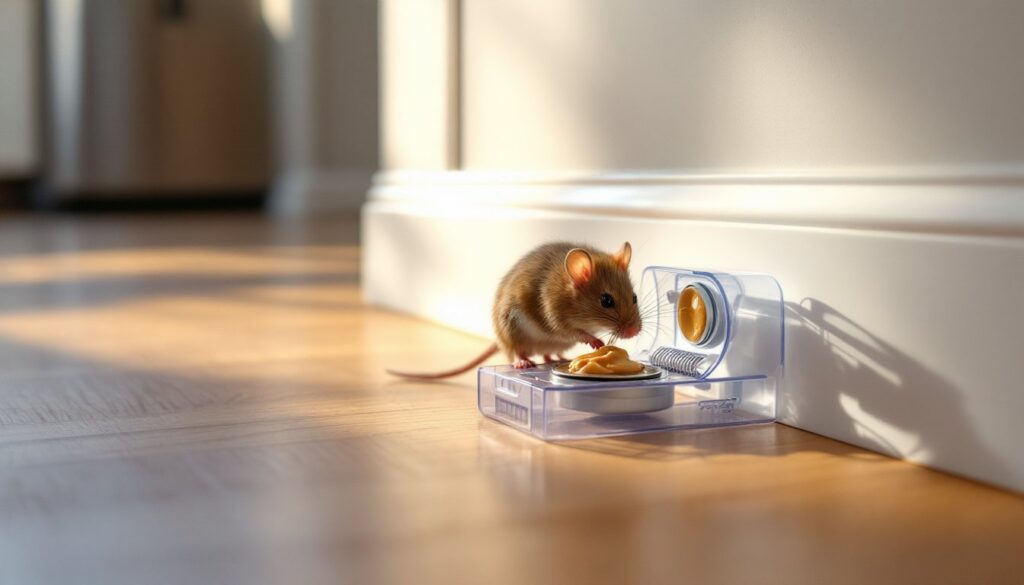

Discovering droppings behind the stove or hearing scratching in the walls at night isn’t just unsettling, it’s a call to action. But dealing with unwanted rodents doesn’t require lethal force. Homeowners increasingly turn to no kill mouse traps as an effective, humane alternative to traditional snap traps and poison. These live-catch devices allow property owners to address infestations without the mess, smell, or ethical concerns associated with killing mice. Whether someone’s dealing with a single curious mouse or persistent visitors, understanding how humane traps work and how to use them properly makes all the difference between repeated failures and a pest-free home.
Table of Contents
ToggleKey Takeaways
- No kill mouse traps provide a humane, effective alternative to lethal methods by capturing mice alive without the mess, smell, or safety risks associated with snap traps and poison.
- Box-style live traps and bucket traps are the most popular no kill mouse trap options, with dual-entry designs offering higher catch rates for persistent infestations.
- Proper placement along baseboards and travel routes, combined with high-protein baits like peanut butter, significantly increases trap success rates within 2-3 days of setup.
- Release captured mice within 1-2 hours at least 100 yards from your home in appropriate habitat to prevent stress-related death and homing behavior.
- Seal entry points smaller than ¼ inch using steel wool and metal barriers, eliminate food sources, and address moisture issues to prevent future mouse invasions and reduce reliance on trapping.
Why Choose a No Kill Mouse Trap Over Traditional Options
Traditional snap traps and glue boards get the job done, but they create problems of their own. Snap traps require handling dead mice, often partially caught, always unpleasant, and they pose risks to children and pets who might accidentally trigger them. Glue traps cause prolonged suffering as mice remain stuck until they die from stress, dehydration, or starvation.
Poison baits introduce even more complications. Rodenticides don’t kill instantly: mice typically consume the bait, then retreat into walls or crawl spaces where they die and decompose. The resulting smell can permeate a home for weeks, and locating the carcass often means cutting into drywall. Poison also poses secondary risks to pets, wildlife, and children.
No kill traps eliminate these issues entirely. They capture mice alive in enclosed chambers, preventing exposure to the animal and allowing for safe release away from the property. There’s no cleanup of blood or body parts, no risk of poison exposure, and no ethical gray area.
From a practical standpoint, humane traps often prove more effective for ongoing mouse activity. Many DIYers following step-by-step project tutorials for home sealing find that live traps help identify entry points by showing exactly where mice are most active. Reusable designs also cost less over time than buying disposable snap traps after each catch.
Most municipalities allow humane trapping without restrictions, whereas some areas regulate or prohibit certain rodenticides due to environmental concerns. Checking local wildlife regulations before release is advisable, but the traps themselves remain legal everywhere.
Top Types of Humane Mouse Traps for Every Situation
Live Catch Box Traps
Box-style live traps represent the most common humane option. These enclosed units feature a trigger mechanism that closes a one-way door after the mouse enters. Most measure 8-12 inches long and include ventilation holes to keep the captured animal safe until release.
Spring-loaded door models work reliably but require proper sensitivity adjustment. Set too light, they’ll close without catching anything: too heavy, and mice will eat the bait and leave. Look for traps with adjustable trigger plates that accommodate different bait types.
See-through versions using clear polycarbonate let homeowners verify catches without opening the trap. This matters when dealing with multiple mice, knowing whether the trap’s occupied prevents wasted trips to check empty units.
Some newer designs incorporate dual-entry systems with doors at both ends. These catch more mice per setting because rodents naturally prefer through-passages over dead-ends. Testing by consumer groups and recent mousetrap reviews consistently shows higher catch rates for dual-entry configurations.
Box traps work best along baseboards, behind appliances, and in cabinets where mice travel regularly. They’re discreet enough for visible placement and safe around pets when positioned correctly.
Bucket and Tunnel Traps
DIY bucket traps offer a cost-effective solution for larger infestations or outbuildings. The basic design uses a 5-gallon bucket, a dowel rod or wire, and a spinning mechanism that dumps mice into the bucket when they walk onto it.
The classic version uses a soda can with holes drilled through the ends, mounted on a wire spanning the bucket’s diameter. Bait smeared on the can attracts mice, who climb a ramp to reach it. When they step onto the can, it spins, dropping them into the bucket below. Adding 2-3 inches of water creates a lethal trap: leaving the bucket dry makes it humane.
Commercial tunnel traps function similarly but use enclosed tubes with tilt mechanisms. Mice enter one end, the platform tips, and they slide into a collection chamber. These work particularly well for repeat catches since the mechanism automatically resets.
Bucket traps excel in garages, sheds, and basements where multiple mice require catching. They’re less suitable for living spaces due to their size and the potential for trapped mice to make noise. Homeowners tackling workshop setup projects often install these in tool storage areas where traditional traps would get triggered by debris or movement.
How to Set Up Your No Kill Mouse Trap for Maximum Success
Placement determines success more than trap type. Mice travel along walls, not across open floor space, so position traps perpendicular to baseboards with the entrance facing the wall. Look for telltale signs: droppings (resembling dark rice grains), gnaw marks on packaging, or greasy rub marks along travel routes.
Common high-traffic areas include:
• Behind refrigerators and stoves
• Under sinks near plumbing penetrations
• Along garage walls near door seals
• In pantries or cabinets storing dry goods
• Near water heaters or furnaces
Wear disposable gloves when handling traps to avoid leaving human scent, which can deter cautious mice. Wipe new traps with a cloth dampened with water or alcohol to remove manufacturing oils.
Bait selection matters more than most homeowners realize. Forget cheese, mice prefer high-calorie, high-protein foods. Peanut butter works best because mice must work at it, increasing trigger time. A dab the size of a pea is sufficient. Alternatives include:
• Chocolate chips or hazelnut spread
• Sunflower seeds or bird seed
• Bacon grease or beef jerky pieces
• Gumdrops or other sticky candy
Secure bait firmly so mice can’t grab and run. With box traps, smear peanut butter directly on the trigger plate rather than placing loose food that can be stolen.
Set multiple traps, at least 3-5 for a moderate infestation. Mice reproduce rapidly (females can have 5-10 litters annually), so a “single mouse” problem often involves several individuals. Space traps 10-20 feet apart along suspected travel routes.
Check traps every 4-6 hours during active periods. Mice experience significant stress when confined, and extended captivity can cause health issues or death, defeating the humane purpose. Early morning checks work well since mice are most active at night.
Avoid moving traps for at least 2-3 days after initial placement. Mice are neophobic (afraid of new objects) and may avoid traps initially. Once they accept the trap as part of their environment, catch rates improve.
Safety note: Always assume mice may carry diseases. Wear gloves when handling traps, and wash hands thoroughly afterward. If someone has a rodent allergy or compromised immune system, have another household member manage trap duties.
What to Do After Catching a Mouse: Safe Release Tips
Release timing affects survival rates significantly. Release captured mice within 1-2 hours of trapping when possible, especially in extreme temperatures. Mice have high metabolic rates and limited energy reserves: prolonged confinement in a small trap without food or water causes distress.
Choose a release location at least 100 yards (300 feet) from the home, preferably a quarter-mile or more. Mice have strong homing instincts and can return from surprisingly long distances if released too close. Fields, wooded areas, or parks away from residential structures work well.
Avoid releasing near other homes. This doesn’t solve the problem: it relocates it. Look for areas with natural shelter (brush piles, fallen logs, or dense vegetation) where mice can find cover from predators.
Check local regulations before release. Some jurisdictions prohibit releasing captured wildlife on public land or require specific release protocols. This varies by state and even by county.
When ready to release:
- Wear gloves to prevent bites and disease transmission
- Carry the trap to the release site without excessive jostling
- Place the trap on the ground with the opening facing away from you
- Open the door mechanism and step back several feet
- Allow the mouse to exit on its own, don’t shake or tip the trap
- If the mouse doesn’t emerge within 2-3 minutes, tap the trap gently from behind
Some mice exit immediately: others hesitate. Don’t rush the process. A stressed mouse may bite if someone reaches into the trap.
After release, sanitize the trap before reuse. Wash with hot soapy water or a diluted bleach solution (1 part bleach to 10 parts water). Rinse thoroughly and dry completely. This removes scent markers that might deter future catches or attract other mice to the trap itself.
Releasing during daylight hours gives mice time to locate shelter before predators become active at dusk. Mice released at night face immediate threats from owls, foxes, and other nocturnal hunters.
Important: Never release mice during severe weather, extreme cold, heat, or storms reduce survival chances significantly. If weather conditions are poor, keep the mouse in the trap in a climate-controlled space (like a garage) with the trap partially covered for darkness, then release when conditions improve.
Preventing Future Mouse Problems in Your Home
Trapping addresses current mice but doesn’t prevent new ones from entering. Effective exclusion requires identifying and sealing entry points, mice can squeeze through openings as small as ¼ inch (about the diameter of a pencil).
Conduct an exterior inspection:
• Check foundation walls for cracks or gaps where concrete meets siding
• Examine areas where utilities enter (cables, pipes, gas lines)
• Inspect garage door seals and weather stripping
• Look for gaps around dryer vents, exhaust fans, and HVAC penetrations
• Check roof soffits, fascia boards, and attic vents for damage
Seal gaps with appropriate materials based on location:
• Steel wool stuffed into small holes (mice won’t chew through it)
• Copper mesh for larger openings or areas requiring ventilation
• Expanding foam for gaps around pipes (apply steel wool first, then foam over it)
• Concrete patching compound for foundation cracks
• Metal flashing for larger structural gaps
Don’t rely solely on caulk or foam alone, mice chew through these easily. Always incorporate metal barriers.
Indoor prevention focuses on eliminating food sources:
• Store dry goods in airtight glass or heavy plastic containers
• Clean up crumbs and spills immediately
• Don’t leave pet food out overnight
• Keep garbage in sealed containers and empty regularly
• Maintain clean floors in pantries and behind appliances
Reduce clutter that provides nesting material and hiding spots. Mice build nests from shredded paper, fabric, and insulation. Organized storage in sealed bins makes spaces less attractive.
Address moisture issues, mice need water sources. Fix leaky pipes, repair dripping faucets, and eliminate standing water in basements or crawl spaces.
Trim vegetation away from the home’s exterior. Branches touching siding or the roof create highways for rodent access. Maintain a 12-inch clearance between landscaping and the foundation.
Consider the surrounding environment. Homes near fields, wooded areas, or properties with livestock face higher mouse pressure, especially as temperatures drop in fall. These locations may require more aggressive exclusion and ongoing monitoring.
Seasonal awareness helps, mice seek indoor shelter primarily in autumn and winter. Conducting exclusion work in late summer prevents the majority of fall invasions.
If mouse activity persists even though these measures, the problem may involve structural issues beyond typical DIY scope. Homes with continuous mouse pressure sometimes have entry points in crawl spaces, attic vents, or areas requiring specialized access. A licensed pest control professional can conduct a thorough inspection and identify hidden vulnerabilities.
Building code note: Some jurisdictions require permits for certain exclusion work, particularly if it involves modifying foundation vents or other structural elements. Check local requirements before starting extensive sealing projects.