
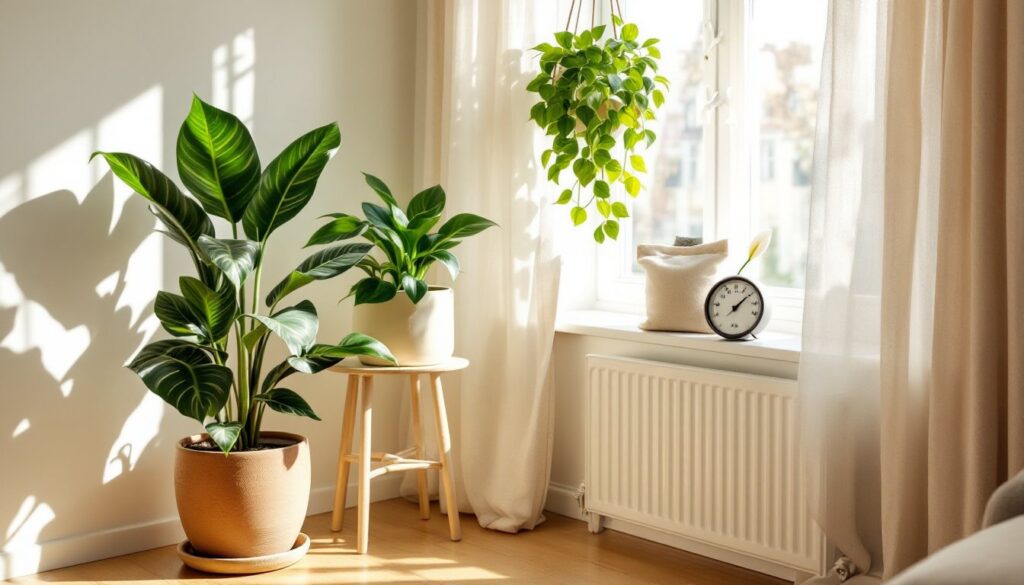

Indoor air quality is often worse than outdoor air, sometimes by a factor of five. That’s a problem when most people spend 90% of their time indoors. While mechanical air purifiers do the heavy lifting for allergens and particulates, natural air purifiers offer a complementary approach that costs less, runs silently, and adds life to a room. Plants, activated charcoal, proper ventilation, and humidity control can measurably reduce volatile organic compounds (VOCs), mold spores, and airborne irritants. This guide covers what actually works, which plants earn their reputation, and how to set up low-cost DIY systems that improve air quality without filters or electricity.
Table of Contents
ToggleKey Takeaways
- Natural air purifiers including plants, activated charcoal, and proper ventilation effectively reduce VOCs, mold spores, and airborne irritants at a fraction of the cost of mechanical systems.
- High-transpiration plants like snake plants, spider plants, peace lilies, and pothos absorb formaldehyde and benzene when deployed at a density of one plant per 100 square feet, with minimal maintenance required.
- Activated charcoal bags and ventilation upgrades (trickle vents or DIY box fan filters with MERV 13 filters) provide faster results than plants alone and work best in small, enclosed spaces.
- Maintaining indoor humidity between 30–50% relative humidity and opening windows for 10–15 minutes daily can reduce VOC concentrations by 30–50%, depending on outdoor air quality.
- Monthly leaf cleaning, proper watering schedules, and ceiling fan circulation amplify natural air purifier effectiveness by improving gas exchange and air volume processing.
- A multi-layered approach combining plants, charcoal, humidity control, and smart ventilation addresses chemical offgassing that mechanical filters often miss while reducing ongoing electricity costs.
What Makes a Natural Air Purifier Effective?
Natural air purifiers work through biological filtration, absorption, and ventilation. Plants absorb gases through their leaves and roots, breaking down VOCs like formaldehyde, benzene, and trichloroethylene via microbial activity in the soil. NASA’s Clean Air Study (1989) established that certain houseplants remove measurable amounts of indoor pollutants, though it took high plant density, roughly one plant per 100 square feet, to see significant results.
Activated charcoal works differently. Its porous structure (up to 3,000 square meters of surface area per gram) traps odor molecules, VOCs, and moisture. It’s passive, needs replacing every 2–3 months, and works best in small, enclosed spaces like closets or bathrooms.
Ventilation is the most overlooked natural purifier. Opening windows for 10–15 minutes daily can cut indoor CO₂ and VOC concentrations by 30–50%, depending on outdoor air quality. Cross-ventilation (windows on opposite walls) is most effective. If outdoor air is poor due to traffic or wildfire smoke, mechanical filtration is the better route.
Humidity also plays a role. Maintaining 30–50% relative humidity reduces airborne dust and mold spore viability. Too dry, and particulates stay airborne longer. Too humid, and you risk mold growth. A hygrometer (under $15) lets you monitor levels.
Natural methods won’t replace HEPA filtration for serious allergen or asthma management, but they reduce chemical offgassing from furniture, paint, and cleaning products, sources that best air purifiers for 2026 often complement rather than replace.
Top Plants That Naturally Purify Indoor Air
Not all houseplants are equal when it comes to air purification. The most effective species combine high transpiration rates, robust root systems, and tolerance for low light and neglect.
Snake Plants and Spider Plants
Snake plants (Sansevieria trifasciata) are nearly indestructible. They tolerate low light, irregular watering, and temps down to 50°F. Unlike most plants, they release oxygen at night via CAM photosynthesis, making them useful in bedrooms. They absorb formaldehyde, xylene, and toluene, common offgassers from pressed wood and carpet adhesives.
Water every 2–3 weeks. Overwatering causes root rot. Use well-draining cactus mix. A 6-inch pot works for most rooms: scale up to 10-inch pots for spaces over 150 square feet.
Spider plants (Chlorophytum comosum) reproduce aggressively via runners, so you can propagate free clones. They filter formaldehyde and xylene and thrive in indirect light. They’re safe around pets (non-toxic) and tolerate temps from 55–80°F.
Water when the top inch of soil is dry. They prefer slightly root-bound conditions. Trim brown tips with clean shears, those are usually caused by fluoride in tap water. Switching to distilled or rainwater fixes it.
Both species require minimal care but benefit from monthly wiping of leaves with a damp cloth to maximize gas exchange.
Peace Lilies and Pothos
Peace lilies (Spathiphyllum) top NASA’s list for removing ammonia, benzene, formaldehyde, and trichloroethylene. They also visually indicate when they need water by drooping, then perk up within hours of watering. They prefer low to medium indirect light and temps above 60°F.
Safety warning: Peace lilies contain calcium oxalate crystals, which are toxic if ingested by pets or children. Keep them out of reach.
Water weekly or when soil feels dry an inch down. They like humidity: mist leaves weekly or set pots on pebble trays filled with water (pot bottom above the waterline). Yellowing leaves usually mean overwatering or chlorine sensitivity, again, filtered or distilled water helps.
Pothos (Epipremnum aureum) is the easiest to grow and propagate. It removes formaldehyde, benzene, and xylene. It thrives in low light, tolerates neglect, and grows fast, sometimes 12–18 inches per month in good conditions. It’s also toxic to pets, so hang it or place it high.
Water when the top 1–2 inches of soil dry out. Pothos roots easily in water: snip a 6-inch cutting below a node, place in a jar, and plant once roots reach 2 inches. It’s a cheap way to fill a room.
For best results, pair multiple plant types. A 200-square-foot room benefits from 2–3 medium-sized plants (6–10-inch pots). More is better, but don’t block airflow around HVAC vents.
DIY Natural Air Purification Methods Beyond Plants
Plants work slowly. For faster results, combine them with DIY absorption and ventilation upgrades.
Activated charcoal bags are reusable, non-toxic, and effective in closets, bathrooms, and cars. Buy bamboo charcoal in breathable linen bags (200–500 grams per 90 square feet). Place them near odor sources: litter boxes, shoe racks, under sinks. Recharge monthly by setting bags in direct sunlight for 2 hours, UV breaks down trapped molecules. Replace every 2 years.
Avoid loose charcoal dust, which creates a mess. Sealed bags are safer and cleaner.
Beeswax candles emit negative ions when burned, which bind to airborne particulates and pull them down. Unlike paraffin candles (which release VOCs), beeswax is clean-burning. Use 100% beeswax with cotton wicks. Burn for 2–3 hours in well-ventilated rooms. This isn’t a primary purification method, but it reduces airborne dust noticeably during heating season.
Himalayan salt lamps are often overhyped, but they do act as mild dehumidifiers by attracting moisture. That can reduce airborne mold spores in damp basements or bathrooms. Don’t expect air purification: think of them as ambient humidity moderators. Keep them away from electronics (the moisture they attract can drip).
Ventilation upgrades offer the biggest impact. Install window vents or trickle vents (common in Europe, rarer in the U.S.) to allow continuous passive airflow without leaving windows wide open. A single trickle vent moves 5–10 CFM, enough to refresh a bedroom overnight.
For forced ventilation, a box fan with a furnace filter creates a DIY air scrubber. Use a 20×20-inch MERV 13 filter (around $15–20) and strap it to the intake side of a standard box fan with bungee cords or duct tape. Run it on low for 4–6 hours daily. Replace the filter every 3 months or when visibly dirty. This setup moves 200–400 CFM and captures dust, pollen, and pet dander. It won’t replace a HEPA unit for allergens, but it’s effective for general air turnover.
Some homeowners compare these setups to higher-end purifiers tested in 2026 and find the DIY version handles light to moderate dust at a fraction of the cost.
Humidity control matters year-round. In winter, dry air (below 30% RH) keeps particulates airborne. A cool-mist humidifier or bowls of water near radiators help. In summer, excess humidity (above 60% RH) encourages mold. A dehumidifier or bathroom exhaust fan (run for 20 minutes post-shower) keeps levels in check. Maintaining 40–50% RH optimizes both comfort and air quality.
How to Maximize Your Natural Air Purifier’s Performance
Natural systems work best when you optimize placement, maintenance, and airflow.
Placement: Put plants near pollution sources. A pothos near a new particleboard bookshelf absorbs formaldehyde offgassing. A snake plant in a bedroom with synthetic carpet targets VOCs released during sleep. Avoid placing plants directly over heating vents (dries soil fast) or in cold drafts (stresses tropical species).
Soil matters. Potting mix with activated charcoal or perlite improves microbial activity, which drives VOC breakdown. Generic potting soil works, but mixes labeled for houseplants or tropicals include ingredients that boost root health and gas exchange.
Light levels affect purification rates. Low-light plants still photosynthesize, but slower. If a room has no natural light, a full-spectrum LED grow bulb (10–15 watts) on a timer (12 hours/day) keeps plants healthy. These cost $10–20 and fit standard lamps.
Leaf cleaning is non-negotiable. Dust clogs stomata (leaf pores), cutting gas exchange by 50% or more. Wipe large leaves with a damp microfiber cloth monthly. For plants with small or fuzzy leaves, mist and gently shake, or rinse in a sink every 6 weeks.
Rotate plants quarterly to ensure even light exposure and growth. Plants grow toward light: rotating prevents lopsided development and keeps foliage dense.
Avoid overwatering. Root rot kills more houseplants than any other issue. Use pots with drainage holes and saucers. Water until it drains, then dump the saucer after 15 minutes. Soil should dry 1–2 inches down between waterings (stick your finger in to check).
Fertilize sparingly. Houseplants aren’t heavy feeders. A balanced liquid fertilizer (10-10-10 or 5-5-5) diluted to half strength once a month during spring and summer is plenty. Skip fertilizer in fall and winter when growth slows.
Airflow amplifies plant effectiveness. A ceiling fan on low or an oscillating fan improves air circulation, helping plants process more air volume. Don’t aim fans directly at plants: indirect movement is enough.
Combine natural purifiers with good source control: low-VOC paints, solid wood furniture, and frequent vacuuming. While budget to high-end purifiers handle particulates and allergens, plants and DIY systems address chemical offgassing and odors that mechanical filters miss.
Monitor results. A basic indoor air quality monitor ($50–150) tracks VOCs, CO₂, particulates (PM2.5), temperature, and humidity. Watching trends over weeks shows whether your natural system is working. If VOC levels stay high even though plants, increase plant density or add activated charcoal. If PM2.5 spikes, ventilation or a filter upgrade is needed.
Conclusion
Natural air purifiers won’t replace mechanical filtration for allergens or wildfire smoke, but they’re effective against VOCs, odors, and chemical offgassing, problems that filters alone don’t fully address. A mix of the right plants, activated charcoal, smart ventilation, and humidity control creates cleaner air without ongoing electricity costs. Start with 2–3 low-maintenance plants per room, add charcoal bags in problem areas, and commit to monthly leaf cleaning. The investment is minimal, and the payoff is measurable.