
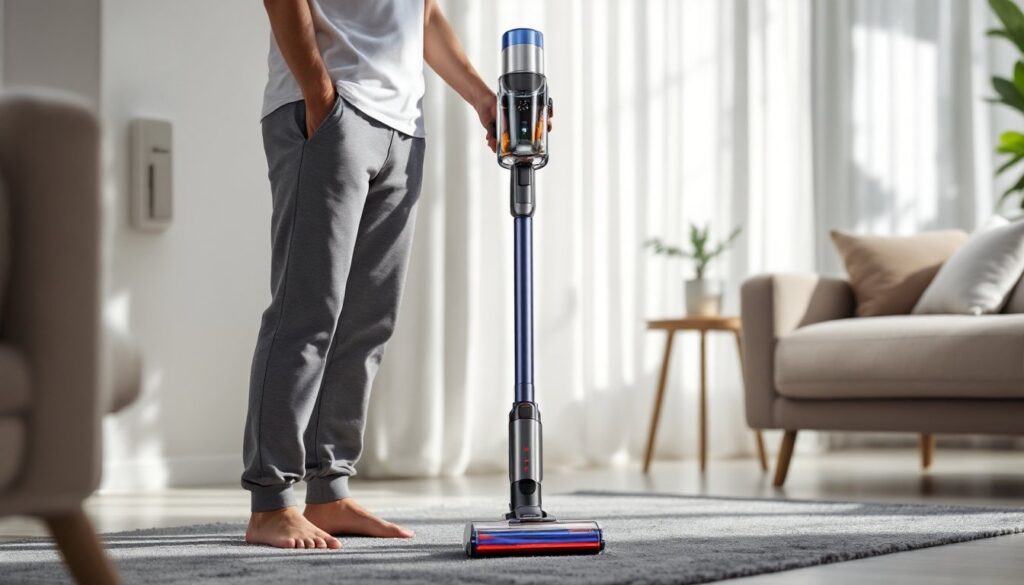

LG’s stick vacuums have quietly built a reputation among homeowners who want serious suction without dragging around a corded upright. These cordless machines pack cyclonic power into a frame light enough to carry upstairs one-handed, and they’ve gotten smarter with each generation. Whether you’re vacuuming hardwood daily or deep-cleaning carpets weekly, LG’s lineup offers models that handle both without the bulk. This guide breaks down what sets LG apart, which features actually matter, and how to pick the right model for your space.
Table of Contents
ToggleKey Takeaways
- LG stick vacuums deliver sustained suction with brushless digital inverter motors spinning up to 140,000 RPM, eliminating the power fade common in budget cordless models.
- Dual hot-swappable batteries available on mid-to-high-end LG stick vacuum models provide 60-80 minutes of continuous cleaning for homes over 1,500 square feet, with swaps taking under five seconds.
- Multi-stage HEPA filtration systems capture 99.97% of particles down to 0.3 microns, making LG stick vacuums ideal for allergy sufferers and pet owners.
- The Kompressor feature compresses collected debris to one-third its volume, reducing bin emptying frequency and dust exposure—especially valuable for households with pets or allergy concerns.
- Choose the A9 Kompressor for homes with 1,500–3,000 square feet and mixed flooring, the All-in-One Tower Combi for allergy sufferers seeking hands-free dust disposal, or the A9 Limited for smaller apartments under 1,000 square feet.
- Regular maintenance—including monthly filter cleaning, quarterly battery contact inspection, and monthly battery calibration—extends LG stick vacuum lifespan to 3-4 years of reliable use.
Why LG Stick Vacuums Stand Out in Today’s Market
LG entered the stick vacuum game later than Dyson or Shark, but they brought their appliance engineering chops with them. Their CordZero line uses the same motor technology found in their commercial-grade equipment, brushless digital inverters that spin at up to 140,000 RPM. That translates to sustained suction that doesn’t fade as the battery drains, a common complaint with cheaper cordless models.
The real differentiator is the dual-battery system available on mid-to-high-end models. Instead of one battery that dies mid-job, you get two hot-swappable packs that charge simultaneously in the storage dock. Swap one out in under five seconds, and you’re back to cleaning. For homes over 1,500 square feet, this setup eliminates the frustration of waiting 3-4 hours between charges.
LG also prioritizes filtration in ways that matter for anyone with allergies or pets. Their multi-stage HEPA systems capture 99.97% of particles down to 0.3 microns, and the sealed design prevents dust from escaping through seams or vents, something you won’t find on budget stick vacs. The bins are transparent and removable with a single button press, no wrestling with clips or latches.
Key Features That Make LG Stick Vacuums Worth Considering
Cordless Convenience and Battery Performance
LG’s lithium-ion batteries deliver up to 120 minutes of runtime on low-power mode, which is enough for most whole-home cleanings. High-power mode (what you’ll use on carpets or pet hair) cuts that to about 30-40 minutes per battery. The dual-battery models effectively double that, giving you 60-80 minutes of hard cleaning before you need to dock.
Charge time runs 3.5 hours for a full cycle, and the charging dock doubles as a storage stand. It mounts to the wall with four screws into studs or drywall anchors (hardware included). The dock holds the vacuum upright and charges both batteries at once, so it’s always ready. Some models include a second charging cradle for the spare battery, which is helpful if you store the vacuum in a closet instead of wall-mounted.
Battery health matters for cordless tools. LG uses fade-free lithium cells with overcharge protection, rated for 500+ charge cycles before you’ll notice capacity loss. That’s roughly 3-4 years of regular use. Replacement batteries run $60-$90 depending on capacity, and they’re available through LG’s parts site or major retailers.
Smart Technology and Filtration Systems
LG’s newer models integrate smart sensors that auto-adjust suction based on floor type. The vacuum detects carpet versus hardwood and ramps power up or down accordingly, which saves battery life and prevents scattering debris on hard surfaces. An LED display on the handle shows remaining runtime, power mode, and filter maintenance alerts.
The 5-stage filtration setup starts with a stainless steel pre-filter that catches large debris, followed by a cyclone chamber that separates fine dust. From there, air passes through a foam filter, a microfiber layer, and finally the HEPA 13 filter before exhaust. All filter components are washable except the HEPA, which should be replaced every 6-12 months depending on use (around $25 per filter).
A feature worth noting: the Kompressor lever. Press it, and a wand inside the dustbin compresses collected debris to roughly 1/3 its original volume. This lets you empty the bin less often and reduces the dust cloud when you do. It’s especially useful for pet owners dealing with hair clumps.
Top LG Stick Vacuum Models for Different Home Needs
The CordZero A9 series is LG’s workhorse line. The A9 Kompressor includes dual batteries, the compressor feature, and a telescoping wand that adjusts from 32 to 42 inches, helpful for taller users or reaching ceiling vents. It ships with a crevice tool, upholstery brush, and a motorized Power Punch Nozzle for carpets. Expect to pay $400-$500 depending on sales. It handles medium-pile carpet and hardwood equally well, and the 0.44-liter bin is adequate for weekly whole-home cleaning.
For homes with mostly hard flooring, the A9 Kompressor Plus adds a soft roller head designed for hardwood, tile, and laminate. The roller uses microfiber bristles that won’t scratch finishes, and it’s wider (10 inches vs. 9 inches) for faster coverage. This model runs $500-$600 and includes an extra battery as standard. Runtime on hard floors can stretch to 100 minutes on low power.
The CordZero All-in-One Tower Combi is LG’s premium offering, and it’s more than just a stick vacuum. The charging dock is a floor-standing tower with automatic dust emptying, dock the vacuum, and it sucks the bin clean into a sealed bag inside the base. The tower holds up to 2.5 liters (enough for a month of cleaning in most homes), and it includes integrated storage for all attachments. This system costs $700-$800 but eliminates the messiest part of vacuum ownership. If you have severe dust allergies or just hate emptying bins, it’s worth the premium. Reviews on home appliance innovations highlight this model for its hands-off convenience.
For budget-conscious buyers, the A9 Limited strips out the second battery and Kompressor but keeps the same motor and filtration. It’s around $300 and still delivers solid performance for apartments or smaller homes under 1,000 square feet.
How to Choose the Right LG Stick Vacuum for Your Home
Start with square footage and floor type. Homes under 1,500 square feet with mostly hard flooring can get by with a single-battery model like the A9 Limited. You’ll finish before the battery dies, and the lighter weight (around 5.5 pounds) makes it easier to maneuver.
For 1,500-3,000 square feet or homes with significant carpeting, the dual-battery A9 Kompressor is the sweet spot. The extra runtime eliminates mid-cleaning recharges, and the motorized carpet nozzle has the brush agitation needed to lift embedded dirt from medium-pile carpet. Many cleaning experts recommend models with swappable batteries for larger spaces.
If you have pets, prioritize the Kompressor feature and motorized brush heads. Pet hair clogs bins fast, and compressing it buys you more cleaning time between empties. The Turbo Punch nozzle (included with some bundles) has stiffer bristles specifically designed for hair pickup on upholstery and stairs. Also check that replacement filters are easy to source, LG’s are widely available, but it’s worth confirming before you buy.
For allergy sufferers, the All-in-One Tower Combi’s auto-empty dock keeps you from handling dusty debris. The sealed bag system means you’re not exposed to allergens during disposal. This is especially helpful if multiple people in the household have sensitivities.
Consider attachment storage. Losing the crevice tool in a closet defeats the purpose of having it. The Tower Combi solves this with integrated storage. For other models, wall-mount the dock near where you store attachments, or use a small bin hooked to the dock.
Finally, think about ceiling height and reach. The telescoping wand extends to 42 inches, and with the vacuum body that puts your reach around 8 feet. If you have 10-foot ceilings and want to dust crown molding or vents without a ladder, you’ll need an extension wand (sold separately, about $30).
Maintenance Tips to Extend Your LG Stick Vacuum’s Lifespan
Empty the bin after every use, even if it’s not full. Packed debris restricts airflow and forces the motor to work harder, which shortens battery life. With the Kompressor models, compress the contents before emptying to minimize dust clouds. Do this over a trash can, preferably outdoors or in a garage.
Clean the foam and microfiber filters monthly. Pop them out, rinse under warm water until the water runs clear, and let them air-dry completely, 24 hours is safe. Never reinstall damp filters: moisture can damage the motor and promote mold growth. Keep a second set of washable filters on hand ($15-$20) so you can swap them out while the others dry.
Replace the HEPA filter every 6-12 months. If you vacuum daily or have pets, lean toward 6 months. A clogged HEPA kills suction and battery efficiency. Write the installation date on the filter frame with a marker so you remember.
Check the brush rolls weekly for tangled hair, string, or fibers. Most LG nozzles have a release button that lets you remove the roller without tools. Use scissors to cut away wrapped debris, don’t yank it, as that can bend the roller shaft. Wipe the roller housing with a damp cloth to remove dust buildup.
Inspect the battery contacts quarterly. Dust and grime on the metal contacts prevent proper charging. Wipe them with a dry cloth or a cotton swab dipped in rubbing alcohol. Let it evaporate completely before docking the vacuum.
Store the vacuum in a climate-controlled space. Extreme heat or cold degrades lithium batteries faster. A garage in Arizona or a Minnesota mudroom isn’t ideal. A hall closet or utility room works better.
Run the battery down to 20% once a month, then fully recharge. This recalibrates the battery management system and keeps the runtime indicator accurate. Don’t let the battery sit fully drained for weeks, that can cause permanent capacity loss.
For homes with heavy smart home integration, some LG models support Wi-Fi connectivity for maintenance reminders and diagnostics, though this feature isn’t standard across the line. If your model has it, enable notifications so you don’t miss filter replacements or error codes.