
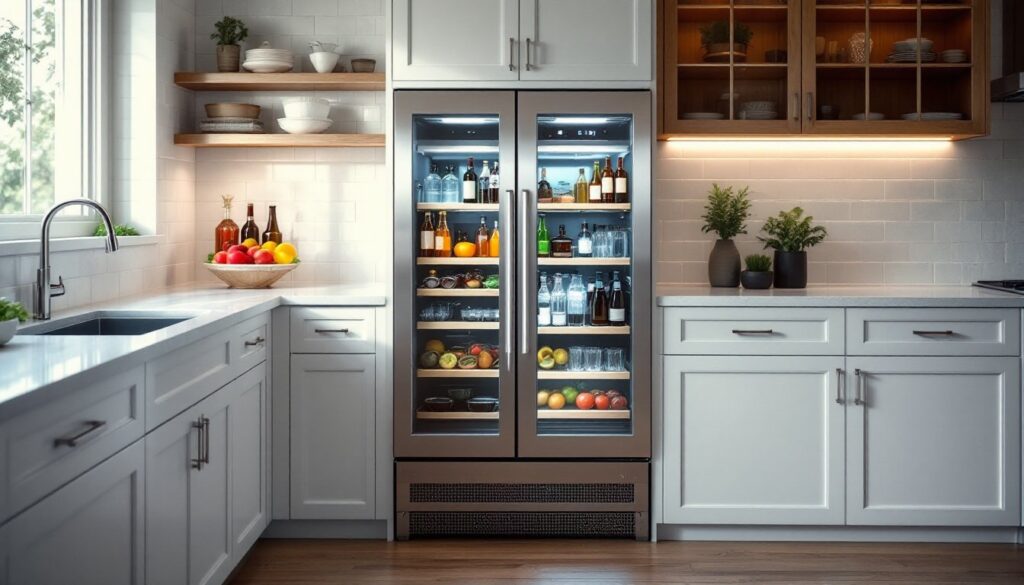

Perlick refrigerators aren’t typical big-box appliances. They’re engineered for high-end residential and commercial use, with heavy-duty compressors, all-stainless interiors, and commercial-grade construction that outlasts standard consumer models. If you’re planning a kitchen remodel or upgrading to professional-grade cooling, understanding what sets Perlick apart, and where it fits in your space, is critical. This guide walks through the brand’s standout features, popular configurations, installation considerations, and the maintenance routines that keep these units running at peak efficiency for decades.
Table of Contents
ToggleKey Takeaways
- Perlick refrigerators feature all-stainless steel interiors, front-vented forced-air cooling, and RAPIDcool technology that restores temperature within minutes, delivering commercial-grade durability and performance for residential and high-use spaces.
- Choose undercounter models (15–24 inches) for secondary cooling in wet bars, theaters, or outdoor kitchens, or opt for full-height column refrigerators (18–30 inches) for integrated aesthetics and customizable storage solutions.
- Proper installation requires precise measurements (±1/8 inch tolerance), dedicated 115V grounded outlets within 24 inches of the unit, adequate door swing clearance (115+ degrees), and level placement to ensure proper drainage and door seals.
- Monthly stainless interior cleaning, condenser coil maintenance every 3–6 months, quarterly gasket inspections, and annual temperature calibration are essential to maximize a Perlick refrigerator’s decades-long lifespan and efficiency.
- Front venting allows flush cabinetry installation without side clearance, but column units still need 1-inch top clearance and open toe-kick ventilation to prevent heat buildup and maintain optimal cooling performance.
What Makes Perlick Refrigerators Stand Out from the Competition
Perlick’s defining feature is its all-stainless steel interior, not just shelves, but the entire cabinet liner. This eliminates the plastic liners found in most consumer refrigerators, preventing odor absorption and making sanitation straightforward.
The company uses front-vented, forced-air refrigeration with commercial-grade compressors. Front venting allows flush installation against walls or inside cabinetry without overheating, critical for built-in applications. Forced-air systems maintain even temperature distribution, eliminating warm spots that spoil produce or cause inconsistent cooling.
Perlick units feature RAPIDcool technology, a rapid recovery system that restores set temperatures within minutes after the door closes. This matters in high-use scenarios, wet bars, outdoor kitchens, or family spaces where doors open frequently.
Most models include digital controls with precision thermostats accurate to ±1°F, far tighter than standard residential units. You’ll also find full-extension glide-out shelves rated for heavy loads, designed for easy access without removing items in front.
Construction quality is notable: welded stainless frames, heavy-duty hinges rated for 100,000+ cycles, and magnetic door seals that maintain integrity far longer than compression-style gaskets. Energy efficiency varies by model, but expect ENERGY STAR certification on most undercounter and column units, with annual energy use comparable to or better than conventional models even though heavier-duty components.
Perlick’s warranty typically covers two years parts and labor, with extended coverage on sealed refrigeration systems. That’s standard for premium appliances, but build quality often extends functional life well beyond warranty periods when properly maintained.
Popular Perlick Refrigerator Models and Their Best Uses
Perlick offers two primary residential configurations: undercounter units and column refrigerators. Both serve different spatial and functional needs.
Undercounter Refrigerators for Seamless Kitchen Integration
Undercounter models fit beneath standard 36-inch countertop heights and range from 15 inches to 24 inches wide. The HP15 and HP24 series are the most common residential choices.
These units excel in secondary refrigeration applications: wet bars, home theaters, outdoor kitchens (with marine-grade models), or as beverage centers. The 24-inch models provide roughly 5.2 cubic feet of storage, enough for a case of beverages, party platters, or overflow groceries.
Installation requires front clearance for the door swing (typically 90 degrees minimum) and zero side clearance due to front venting. Homeowners often upgrade kitchen functionality by adding these in islands or butler’s pantries.
Perlick’s undercounter line includes refrigerator-only, freezer-only, and convertible models. Convertible units switch between refrigeration (33°F–42°F) and freezing (0°F–-10°F) via digital controls, useful for seasonal needs or entertaining.
Outdoor-rated models feature marine-grade stainless exteriors and sealed component compartments to handle humidity and temperature swings. These meet or exceed standards for outdoor appliance durability, though they still require covered installation to prevent direct weather exposure.
Column Refrigerators for Customizable Storage Solutions
Column refrigerators are full-height units (typically 84 inches tall) available in 18-inch, 24-inch, and 30-inch widths. They’re designed for flush integration with custom cabinetry, accepting overlay panels that match surrounding cabinets.
These provide primary refrigeration for kitchens where homeowners want integrated aesthetics without the footprint of a standard 36-inch fridge. Pairing an 18-inch freezer column with a 30-inch refrigerator column creates a 48-inch total width with separated temperature zones.
Column models feature adjustable glass or stainless shelving, full-extension drawers, and LED lighting that illuminates the entire interior. Storage capacity ranges from roughly 10 cubic feet (18-inch) to 16 cubic feet (30-inch), comparable to compact or mid-size conventional refrigerators.
Installation requires cabinet enclosures built to Perlick’s specifications, check detailed cutout dimensions in the installation manual before cabinetry fabrication. Electrical requirements are standard 115V/15A circuits, but verify amperage for larger columns, which may pull higher startup loads. Many professional installers recommend appliance placement planning early in kitchen design to avoid costly cabinet modifications later.
Installation Tips and Space Planning for Your Perlick Unit
Perlick units are front-vented, but they still need proper airflow and electrical access. Start by confirming your rough-in dimensions against the spec sheet, tolerance is typically ±1/8 inch, tight enough that you can’t fudge measurements.
For undercounter models, verify your countertop height. Standard is 36 inches, but if you have thicker stone or custom heights, the unit’s 34.5-inch typical height may not fit. Account for adjustable legs (usually ±0.5 inch range) but don’t expect to compensate for major discrepancies.
Electrical placement matters. Perlick specifies a grounded 115V outlet within 24 inches of the unit’s rear, typically positioned in an adjacent cabinet or behind a toe-kick panel. Don’t rely on extension cords or power strips, these violate code (NEC Article 422.16) and void warranties.
If installing in an island, ensure the outlet is accessible without removing the appliance. Some jurisdictions require GFCI protection for kitchen receptacles: verify local electrical code before roughing in.
For column refrigerators, cabinet enclosures must allow ventilation at the top and bottom of the unit, even though cooling is front-vented. This prevents heat buildup in the enclosure. Leave 1-inch clearance at the top and ensure the toe-kick area remains open or vented.
Door swing clearance is critical. Measure the full arc, Perlick doors often open 115 degrees, and handles add another 1-2 inches of protrusion. Test the swing path against adjacent cabinets, islands, or appliances before finalizing placement.
Leveling affects door seal and drainage. Use a 6-inch torpedo level on the top surface front-to-back and side-to-side. Most models have a front drain pan that relies on gravity: if the unit pitches backward, condensate won’t drain properly.
If you’re DIYing the install, recruit a second person. Undercounter units weigh 120-180 pounds, columns 250-350 pounds. Maneuvering them into tight cabinetry openings solo risks injury and appliance damage.
Permit requirements vary. In most jurisdictions, swapping an appliance doesn’t require a permit if you’re using existing electrical and plumbing connections. Adding a new circuit or relocating service almost always does. Check with your local building department before starting work.
Maintenance and Care to Maximize Performance and Longevity
Perlick’s stainless interiors simplify cleaning but don’t eliminate it. Wipe down shelves and walls monthly with a mild detergent solution or a 50/50 mix of white vinegar and water. Avoid abrasive cleaners or steel wool, which scratch stainless and create corrosion sites.
Condenser coils require attention every three to six months, more often in dusty environments or homes with pets. Front-vented units have coils behind the lower grille. Remove the grille (usually snap-fit or held by screws), then use a coil brush or vacuum with a brush attachment to clear dust and lint. Dirty coils force the compressor to work harder, reducing efficiency and shortening lifespan. Many appliance care guides emphasize this as the single most neglected maintenance task.
Door seals (gaskets) should be inspected quarterly. Close the door on a dollar bill, if it pulls out easily, the seal isn’t tight. Clean gaskets with warm soapy water and check for cracks or distortion. Perlick’s magnetic seals are durable, but exposure to grease or debris weakens the magnetic grip. Replacement gaskets are model-specific: order by serial number to ensure fit.
Interior drainage systems channel condensate to an evaporation pan near the compressor. If you notice water pooling inside, the drain line may be clogged. Locate the drain opening (usually rear bottom of the interior), then flush it with a turkey baster filled with warm water and a few drops of dish soap. Stubborn clogs may need a flexible drain brush or compressed air.
Temperature calibration can drift over time. Use an appliance thermometer (not the built-in display) placed in a glass of water on the middle shelf for 24 hours. Refrigerators should hold 37°F–38°F, freezers 0°F. If readings are off by more than 2°F, consult the manual for digital control recalibration procedures or contact a service technician.
Defrost cycles on freezer models are automatic, but frost buildup on evaporator coils can still occur if the door seal fails or the defrost heater malfunctions. Excessive frost reduces airflow and efficiency. If you see more than a thin layer, investigate the door seal first, then consider a service call.
For outdoor or marine-grade units, rinse the exterior with fresh water quarterly to remove salt or chemical residues that accelerate corrosion, even on stainless steel.
Safety note: Always unplug the unit before performing any maintenance that involves reaching into mechanical areas or removing panels. Wear cut-resistant gloves when handling sheet metal edges inside the cabinet.
Conclusion
Perlick refrigerators deliver commercial-grade performance in residential packages, but they’re not plug-and-play appliances. Proper planning during installation and consistent maintenance routines are non-negotiable for getting your money’s worth. If you’re upgrading to built-in refrigeration or need secondary cooling that matches the durability of professional kitchens, Perlick’s engineering justifies the premium, just make sure your space, electrical, and maintenance plan are dialed in before the unit arrives.