


Imagine a world where your home anticipates your every need, turning off the lights as you leave and cranking up the heat just in time for your return. Automated home systems aren’t just a luxury; they’re the future of living. No more fumbling for light switches or wondering if you left the coffee pot on. With a simple command, your home transforms into a smart haven, making life not just easier but a whole lot cooler.
Overview of Automated Home Systems
Automated home systems integrate technology into everyday living spaces. These systems allow users to control various devices, enhancing convenience and efficiency. Features include smart lighting, climate control, security systems, and entertainment options, all accessible through smartphones or voice commands.
Smart lighting systems adjust brightness based on natural light levels, providing optimal illumination. Smart thermostats learn preferences and adjust temperature settings automatically, optimizing energy consumption. Home security systems offer surveillance, alarms, and door locks, improving safety.
Various platforms exist for automation, including Google Home, Amazon Alexa, and Apple HomeKit. Each platform serves different needs and preferences, allowing flexibility in device selection. Compatibility among devices enhances functionality and user experience.
Many advantages come from using automated home systems. Energy savings can reach up to 30% with smart appliance management. Increased comfort is evident through personalized settings that cater to individual lifestyles. Enhanced security features deter potential threats and enable remote monitoring.
Automated home systems contribute to a modern lifestyle, simplifying daily tasks and improving overall home management. The ongoing evolution of technology continues to expand possibilities in home automation. Integrating these systems into residences provides opportunities for customization and improvement in daily living.
Benefits of Automated Home Systems
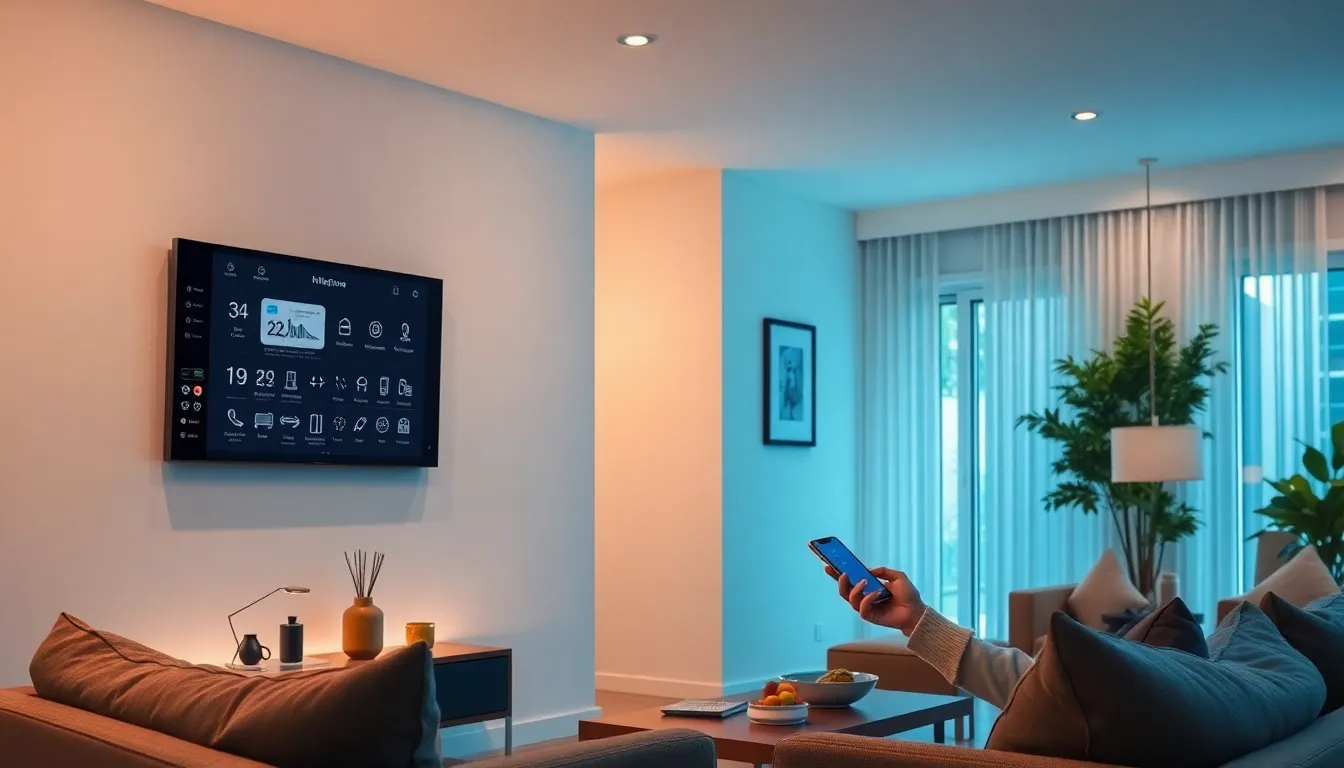
Automated home systems offer significant advantages that transform daily living. These benefits include enhanced convenience, improved energy efficiency, and increased security.
Enhanced Convenience
Convenience stands as a primary benefit of automated home systems. Users can control lighting, climate, and appliances through smartphones or voice commands. Tasks like adjusting the thermostat or turning off lights occur instantly, saving valuable time. Smart assistants streamline routines by providing reminders and controlling entertainment systems. Integration among devices ensures seamless operation, allowing for synchronizing actions with minimal effort. Automation adapts to preferences over time, creating personalized experiences that elevate everyday living.
Improved Energy Efficiency
Energy efficiency improves significantly through automation. Smart thermostats learn user habits, adjusting settings to save energy while maintaining comfort. Studies indicate potential energy savings of up to 30% with smart lighting and climate control systems. Homeowners can monitor energy usage in real-time, making informed decisions to reduce waste. Smart plugs optimize the energy consumption of connected devices, minimizing excess power draw. Remote control capabilities enable adjustments even when away from home, contributing to a more efficient energy management strategy.
Increased Security
Security benefits from the implementation of automated home systems. Advanced surveillance cameras provide real-time monitoring and alerts, enhancing safety. Users can remotely access camera feeds and control alarms from anywhere. Automated locks allow keyless entry, reducing the risk of lost or stolen keys. Integration with security systems enables automated responses to unusual activities, such as alerting authorities or notifying homeowners. These features significantly strengthen overall home security, giving residents peace of mind.
Types of Automated Home Systems
Automated home systems encompass various technologies designed to enhance comfort and efficiency in daily living. Below are key types of these systems.
Smart Lighting
Smart lighting systems use sensors and timers to automatically adjust brightness and color temperature. These systems can be controlled remotely through smartphones or voice commands. Users can program lights to turn on or off at specific times or set them to mimic natural light patterns. Integration with other devices allows for mood settings during activities like movie nights or parties. Many smart bulbs offer energy-saving features, contributing to reduced energy bills and promoting sustainability.
Climate Control
Climate control systems include smart thermostats and HVAC units that learn user preferences for optimal comfort. These devices monitor temperature and humidity levels, adjusting automatically based on occupancy and time of day. Remote access allows users to change settings from anywhere, ensuring a comfortable environment upon arrival. Additionally, advanced models utilize weather forecasts to optimize energy usage. This results in significant energy savings—studies show homeowners can save up to 30% on heating and cooling costs annually.
Home Security Solutions
Home security solutions enhance safety with smart cameras, doorbell cameras, and motion detectors. These systems allow users to monitor their property in real-time from mobile devices. Notifications alert users to unusual activities, prompting immediate action if needed. Many solutions offer integration with local police and emergency services, improving response times. Surveillance features often include night vision and two-way audio, enabling clear communication with visitors or potential intruders.
Smart Appliances
Smart appliances streamline daily tasks with connectivity and automation. For instance, refrigerators can track inventory and suggest grocery lists, while ovens can be preheated remotely. Dishwashers and washers can run cycles at off-peak energy hours, maximizing efficiency. Users can manage these appliances through smartphone apps, offering convenience and control. Moreover, data from these devices helps optimize energy consumption, further contributing to household efficiency and sustainability.
Considerations When Choosing Automated Home Systems
Choosing automated home systems involves several important factors. Evaluating each aspect can lead to a tailored setup that enhances lifestyle and productivity.
Budget and Cost
Budget significantly impacts the selection process for automated home systems. Comprehensive solutions vary widely in price, typically ranging from $100 to $3,000 depending on features and complexity. Basic smart bulbs or plugs cost less than $100, while full home automation systems can exceed $2,000. Factor in ongoing expenses like subscription fees or maintenance when calculating total costs. Individuals may consider long-term energy savings from energy-efficient devices, which can offset initial investments by up to 30%.
Compatibility with Existing Devices
Compatibility plays a crucial role in the effectiveness of automated home systems. Users should identify whether their current devices integrate seamlessly with new additions. Many systems support various ecosystems, including Google Home, Amazon Alexa, and Apple HomeKit. Compatibility often influences user experience, allowing for cohesive control over diverse appliances and fixtures. Ensuring smooth interaction between devices enhances functionality and streamlines daily operations.
Ease of Use and Installation
Ease of use and installation are key factors for efficient automated home systems. A user-friendly interface contributes to a more enjoyable experience and encourages regular use. Many systems feature app-based controls that allow accessibility from smartphones and tablets. Installation complexities vary greatly; some devices require minimal setup, while others may need professional assistance. Prioritizing simplicity in operation ensures that individuals can maximize their systems’ capabilities without significant technical expertise.
Automated home systems are revolutionizing the way people interact with their living spaces. By seamlessly integrating technology into daily routines, these systems offer unmatched convenience and efficiency. With features like smart lighting and climate control, users can enjoy tailored environments that enhance comfort while saving energy.
The security benefits also provide peace of mind, allowing homeowners to monitor their properties remotely. As technology continues to advance, the possibilities for home automation will only expand. Embracing these innovations can lead to a more enjoyable and manageable lifestyle, making everyday tasks simpler and more efficient.